Understanding the basics of gambling A beginner’s guide
What is Gambling?
Gambling is the act of wagering money or something of value on an event with an uncertain outcome, with the intent of winning additional money or items of value. This practice spans across various cultures and has been a significant aspect of human entertainment for centuries. From traditional betting at sports events to playing cards or spinning roulette wheels, gambling takes many forms and caters to diverse preferences. Many people enjoy exploring online options, such as pa online casino, which offer convenience and a variety of gaming experiences.
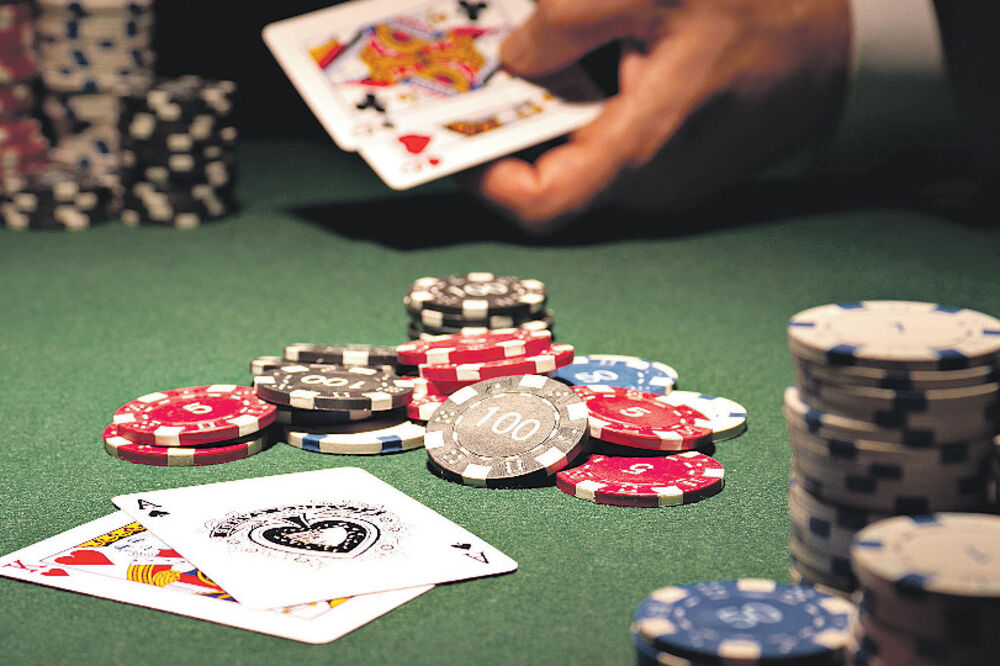
The essence of gambling lies in its combination of risk, chance, and reward. While some games rely purely on luck, others may incorporate strategies that can influence outcomes. Understanding these nuances is essential for anyone venturing into the gambling world, as they can significantly impact one’s experience and potential for success.
The Different Types of Gambling
Gambling can generally be categorized into two main types: games of chance and games of skill. Games of chance, such as slot machines or lotteries, rely entirely on random outcomes, meaning players have little to no control over the results. Conversely, games of skill, like poker or blackjack, involve strategy and decision-making that can affect the outcome, allowing experienced players to enhance their chances of winning.
Moreover, gambling can occur in various environments, including casinos, online platforms, and informal settings. Each venue offers unique experiences, rules, and odds that can influence a player’s overall enjoyment and potential returns. Beginners should explore these options to find what suits their preferences best.
The Psychology Behind Gambling
The psychology of gambling is a complex field that examines why individuals engage in gambling activities. Factors such as excitement, social interaction, and the thrill of risk play crucial roles in attracting players. Additionally, the potential for financial gain can be a significant motivator, leading some to pursue gambling as a form of income.
However, it is vital to recognize the darker side of gambling. The thrill can quickly turn into addiction, with players often struggling to control their urges. Understanding the psychological triggers and maintaining a balanced approach is essential for responsible gambling, ensuring that it remains an enjoyable pastime rather than a harmful obsession.
Responsible Gambling Practices
Responsible gambling involves understanding the risks and knowing how to gamble within one’s means. Setting budgets, recognizing the signs of problem gambling, and seeking help when necessary are crucial steps for anyone partaking in gambling activities. Resources and support systems are available for those who may find themselves struggling with compulsive gambling behaviors.
Another aspect of responsible gambling is the importance of education. New players should familiarize themselves with the rules and odds of the games they choose to play, helping them make informed decisions. Knowledge is power, and understanding the dynamics of gambling can lead to a more enjoyable and less risky experience.
Your Guide to Online Gambling Resources
For those interested in exploring online gambling, a wealth of resources is available to help beginners navigate this exciting landscape. From comprehensive reviews of top-rated online casinos to information on bonuses and secure payment options, these resources can aid newcomers in making informed choices tailored to their gaming preferences.
Whether you are a novice or a seasoned player, having access to expert insights and the latest trends in the online gambling market can significantly enhance your experience. As you embark on your gambling journey, leverage these tools to ensure a safe, enjoyable, and rewarding adventure in the world of gaming.
發佈留言